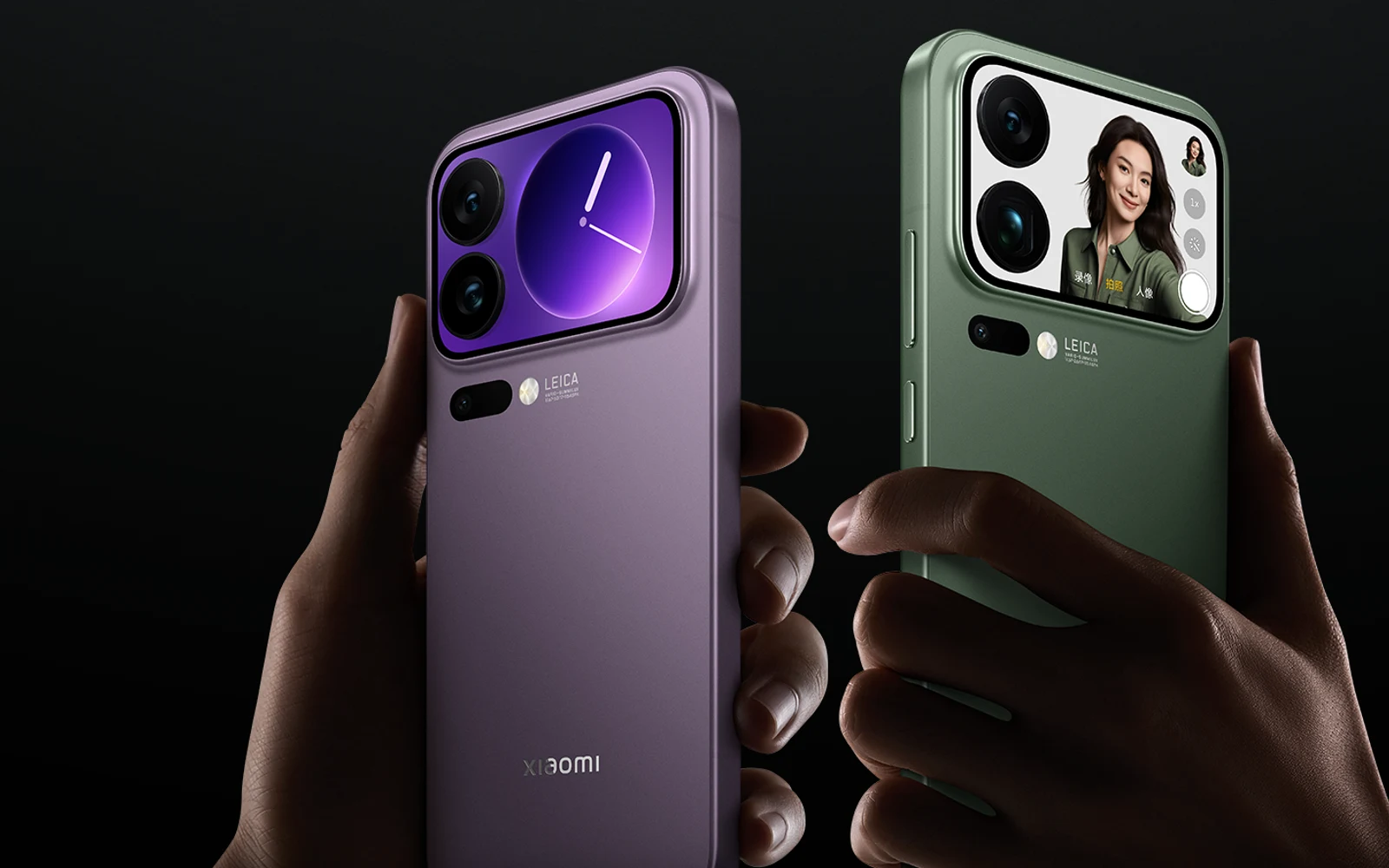
Why Xiaomi moves volume in 2026
Xiaomi's ladder is the cleanest in the industry: Redmi A5 and 15C for first-phone buyers, Redmi Note 14 and Note 15 Pro for the mid-range core where most emerging-market sales happen, POCO F7 Ultra for performance buyers, and the 15/15T/17 series with Leica optics for flagship counters. A retailer can price every shelf tier without leaving the brand.
The selling points repeat across tiers in a way that makes training simple: big batteries from 5,110mAh up to 6,580mAh, 120Hz displays, IP ratings pushed down into the Note line, and 200MP imaging on the Note 15 Pro. Sell-through is fastest in exactly the markets this route serves.
How NexusSupply supplies Xiaomi
Xiaomi orders on this route are quoted as global versions with the storage and colour mixes agreed at RFQ time. Mixed-model cartons are standard: most buyers combine an entry Redmi, a Note-series core and one flagship SKU to ladder a full shelf in a single order.
Market language labels, retail bundle configuration and certification document support are confirmed per order, and repeat buyers typically hold a standing storage-mix template so reorders only need a quantity and a fresh price check.
Xiaomi order terms from Guangzhou
New Android phones on this route start at 10 units with no per-SKU minimum, which keeps trial orders affordable even on the 17 Ultra. Payment is by T/T or L/C; the standard order terms below set out the order-value guidance and delivery scope.
Pre-dispatch QC covers device sampling, IMEI-level carton data and packing photos shared before goods leave China, so a remote buyer can reconcile the shipment against evidence on arrival.