
Xiaomi, REDMI and POCO share a corporate home, but they do not perform the same job on a phone-shop shelf. Treating them as a simple good-better-best ladder can duplicate one price band while leaving another customer without a clear option. The useful question is: which sales conversation should each name own?
This guide maps the ten phones in the mobile phone wholesale catalog. The Xiaomi wholesale hub carries model-level tables. Specifications come from those records and linked Xiaomi Global pages; storage, colour, version, box contents and availability are confirmed in the RFQ.
Key Takeaways
- Xiaomi numbered phones lead premium and compact-flagship sales; T models cover the value-performance step.
- REDMI Note serves the feature-led mainstream, while A and C models answer entry-budget, large-screen and battery-first demand.
- POCO F7 Ultra uses Snapdragon 8 Elite, 120W charging and a 2K 120Hz display to own the performance position.
- New devices can be mixed from 10 units with no per-SKU minimum inside the device order, subject to the approved US$2,000 total order value.
- Lock the regional version, storage, colour and box contents model by model.
Three names, five useful shelf positions
The three names split into five retail positions. Xiaomi has a flagship tier and a T-series step below it. REDMI has Note mainstream and A/C entry tiers. POCO holds the performance position. Specifications may overlap, but the buyer need defines the shelf job.
Xiaomi numbered series: the flagship and compact-premium answer
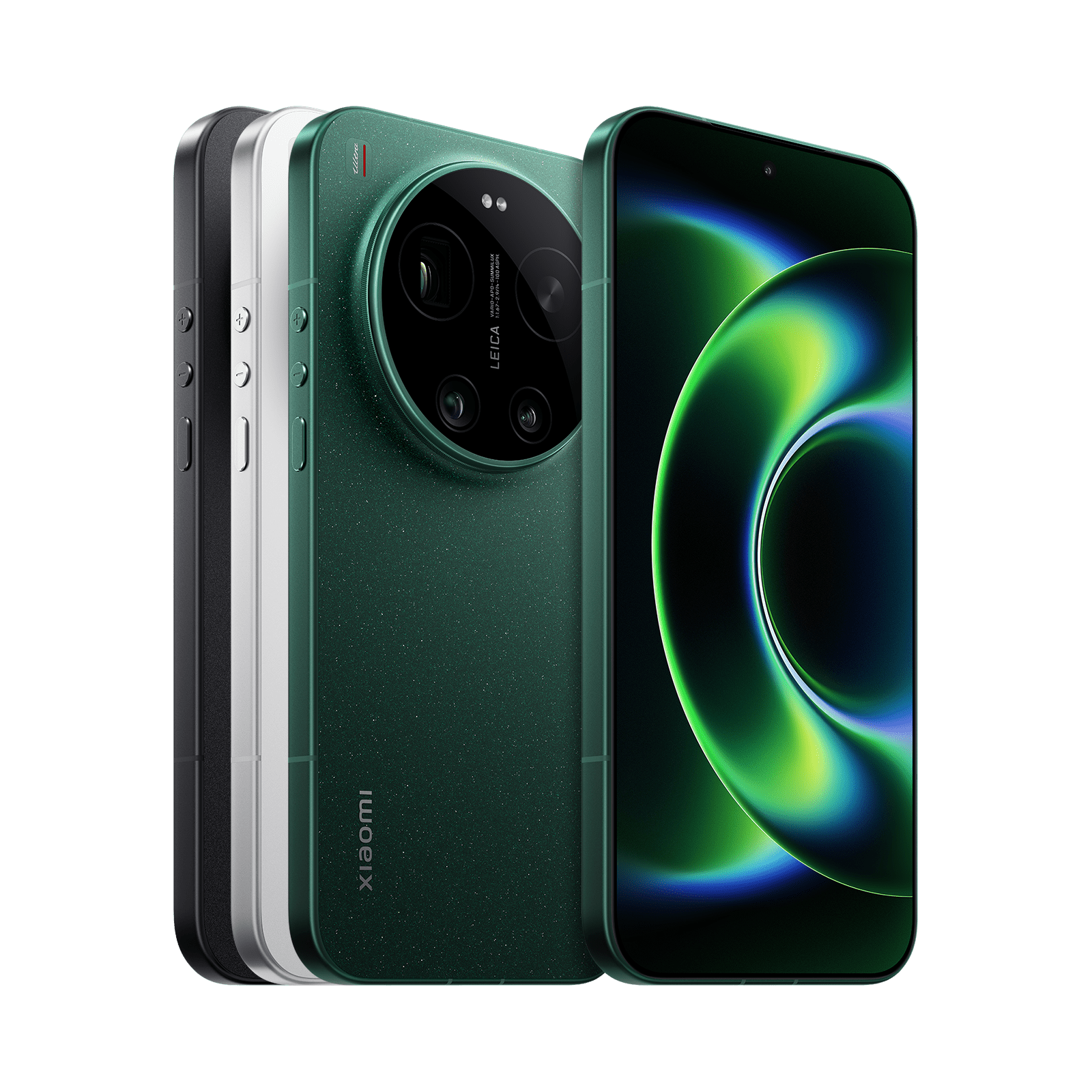
The numbered line starts the premium conversation. The Xiaomi 17 Ultra official page lists a Leica 200MP 75–100mm telephoto system, a Leica 1-inch main camera, Snapdragon 8 Elite Gen 5 and a 6000mAh battery. It is the photography demonstration phone.
Xiaomi 17 uses the same chipset but its 6.3-inch OLED display makes it the compact flagship. Xiaomi 15 offers a 6.36-inch AMOLED display and Snapdragon 8 Elite. Choose the Ultra for camera demonstrations; choose a compact model when handling matters more.
Xiaomi T series: the value-performance bridge
Xiaomi 15T Pro and Xiaomi 15T bridge the numbered flagships and REDMI’s mainstream range. Both catalog records list Leica imaging, 6.83-inch displays and 5500mAh batteries. The Pro uses Dimensity 9400+ with 90W charging and a 144Hz display; the 15T uses Dimensity 8400-Ultra with 67W charging and a 120Hz display. For a small assortment, choose the Pro when processor and charging figures drive the comparison, or the standard model for a simpler value step.
REDMI Note: the feature-led volume core
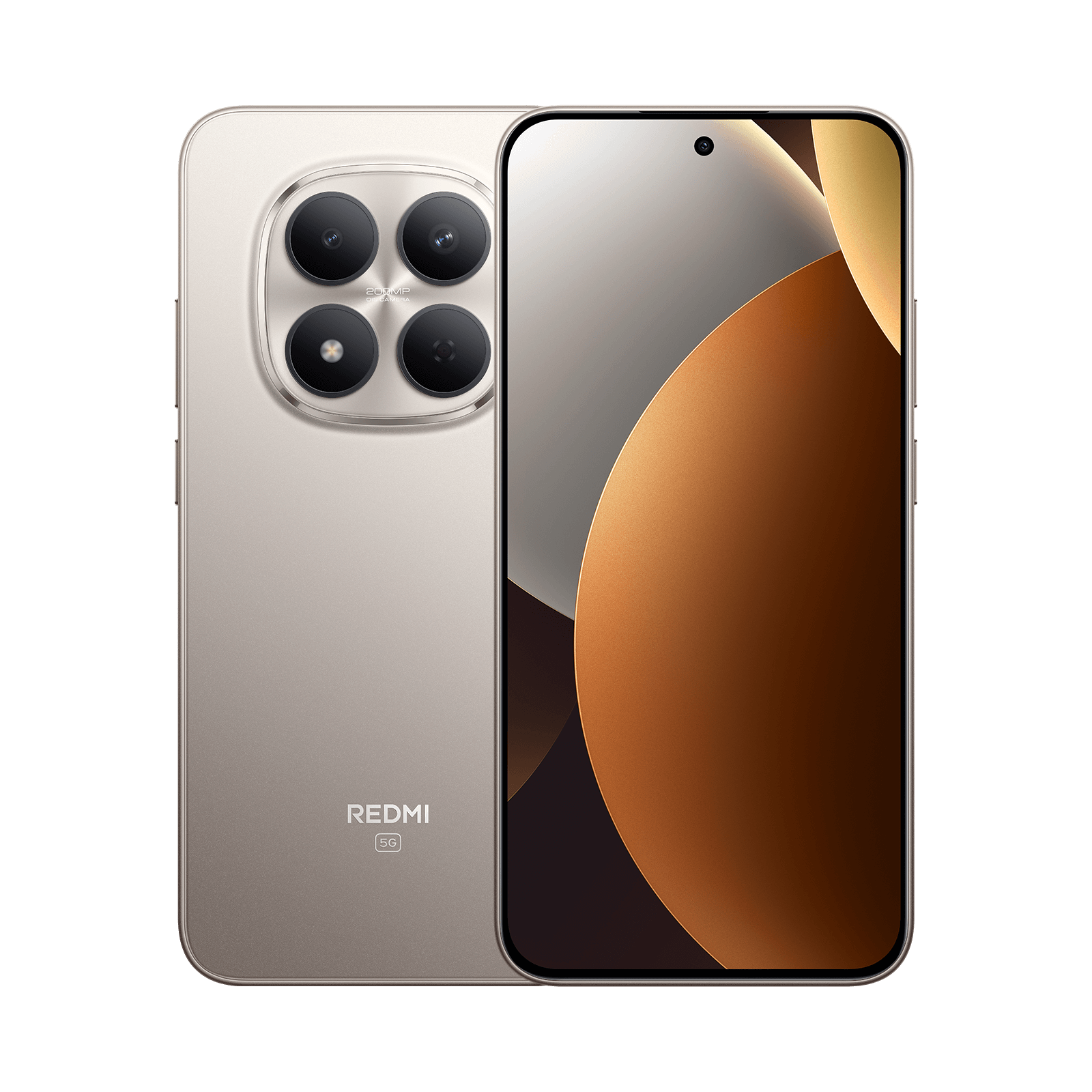
REDMI Note is the mainstream line for buyers who compare visible specifications. The REDMI Note 15 Pro 5G official page lists a 6580mAh battery, 200MP main camera, 6.83-inch 1.5K AMOLED display and Dimensity 7400-Ultra.
Redmi Note 14 5G gives the range a second mainstream position with a 6.67-inch AMOLED display, 5110mAh battery and 108MP stabilised main camera in the catalog. Choose between Note generations using current cost, storage, version and the buyer’s sales records—not the assumption that newer automatically replaces older.
REDMI A and C: the entry, battery and large-screen job
REDMI A5 and Redmi 15C serve customers who begin with budget, screen size or battery life. The A5 catalog record lists a 6.88-inch LCD and 5200mAh battery; the 15C moves to 6.9 inches and 6000mAh. Carry both only when the price separation and local demand are clear. Otherwise, one entry anchor is easier to explain and replenish.
POCO: the performance specialist
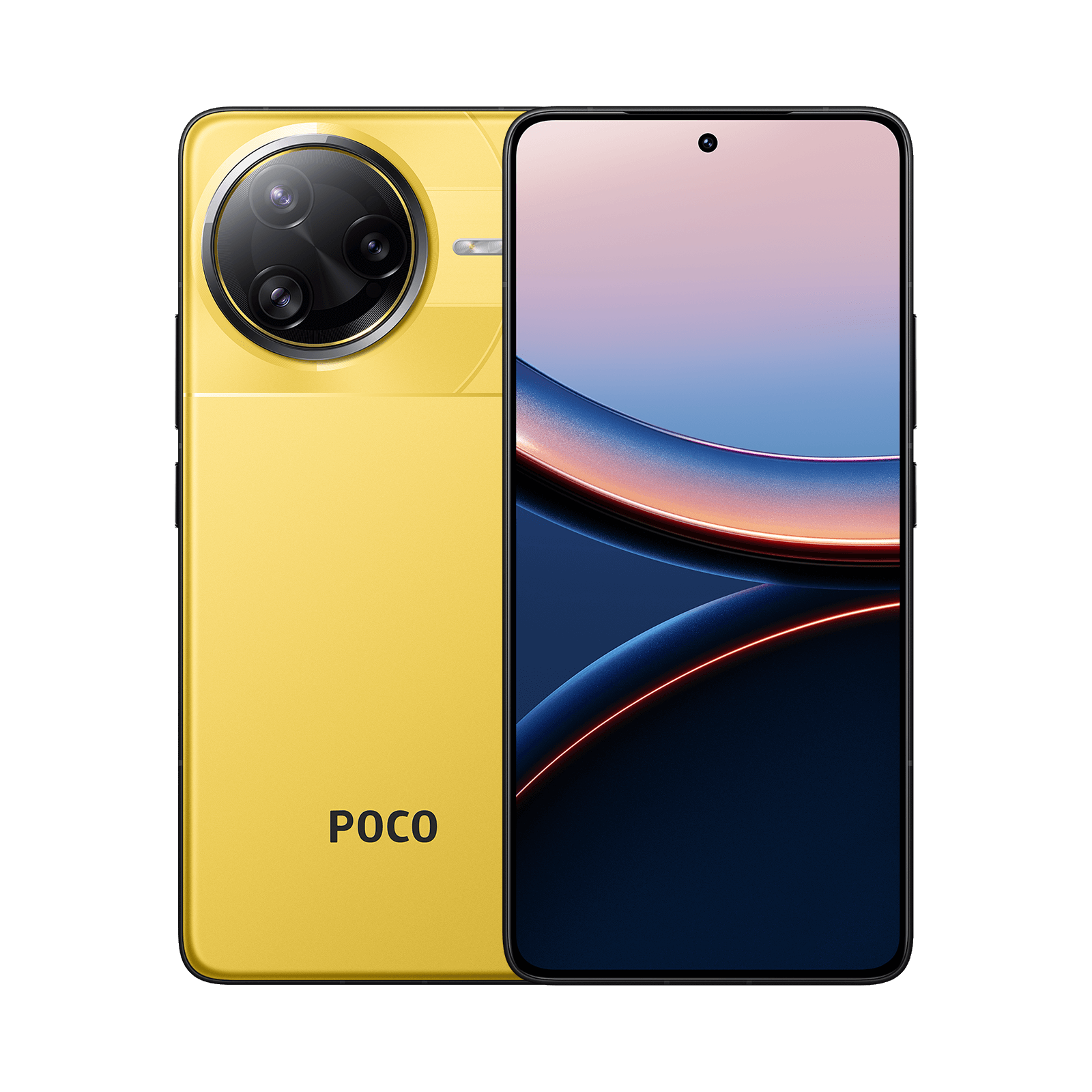
POCO gives the family a distinct performance pitch. The POCO F7 Ultra official page lists Snapdragon 8 Elite, a VisionBoost D7 graphics chipset, a 2K 120Hz Flow AMOLED display, 120W wired charging and a 5300mAh battery. It also notes that a power adapter is not included in some markets, so box contents belong in the RFQ. Give POCO the gaming and performance conversation; let REDMI Note remain the broad everyday recommendation.
The retailer’s lineup map
| Shelf position | Current catalog models | Anchor facts in the catalog | Buyer conversation | Order role |
|---|---|---|---|---|
| Imaging flagship | Xiaomi 17 Ultra | Leica 200MP telephoto, 6000mAh | “Show me the best camera phone” | Premium anchor |
| Compact flagship | Xiaomi 17 / Xiaomi 15 | 6.3–6.36-inch displays | “Flagship performance, smaller phone” | Premium alternative |
| Value-performance bridge | Xiaomi 15T Pro / Xiaomi 15T | Leica imaging, 5500mAh | “Premium features, practical position” | Trade-up line |
| Mainstream volume | REDMI Note 15 Pro 5G / Note 14 5G | AMOLED, 200MP or 108MP cameras | “A strong everyday phone” | Replenishment core |
| Entry volume | Redmi 15C / REDMI A5 | Large displays and batteries | “Budget and battery first” | Entry anchor |
| Performance specialist | POCO F7 Ultra | Snapdragon 8 Elite, 120W | “Performance for gaming” | Specialist trade-up |
Version and goods-in checks
Use the global-versus-China-version guide to freeze the model code, software build, supported bands, storage, colour and box contents. Then use the mobile-phone wholesale QC checklist to connect the sampled device, box and carton record. A POCO and a REDMI batch may follow different packaging rules even in one order, so put each model on its own RFQ line.
One mixed order without duplicating shelf jobs
Start with roles, then select models. Give the largest share to the proven volume position, add one entry answer, and reserve a smaller part for a premium or performance demonstration. If two models perform the same role, write a substitute rule instead of buying both by default. One Note generation might substitute for another at an agreed storage level; Xiaomi 17 Ultra should not automatically substitute for POCO F7 Ultra because their sales jobs differ.
The three names can share one 10-unit device order without a per-SKU minimum. Price, availability and version remain batch-specific. The order must meet the approved total value and handoff terms.
What is the main difference between Xiaomi, Redmi and POCO for retailers?
Xiaomi leads premium and compact flagships, REDMI covers mainstream and entry volume, and POCO serves performance-led buyers. The useful difference is the shelf job, not simply price.
Should a first order include all three Xiaomi-family names?
Only when each name answers a distinct need. A first order might need a REDMI volume anchor and one Xiaomi or POCO trade-up model, not every tier.
Is POCO F7 Ultra a substitute for REDMI Note 15 Pro 5G?
Not by default. POCO F7 Ultra leads with Snapdragon 8 Elite, a 2K 120Hz display and 120W charging. REDMI Note 15 Pro 5G leads with a 200MP camera and 6580mAh battery. They support different sales conversations.
Which Xiaomi-family models belong in a compact-phone assortment?
Xiaomi 17 and Xiaomi 15 are the compact catalog choices, with 6.3-inch and 6.36-inch displays. Confirm version, storage, colour and batch before choosing.
Can Xiaomi, REDMI and POCO share one wholesale order?
Yes. New devices can be mixed from 10 units with no per-SKU device minimum, subject to the US$2,000 total order value. List each model, version, storage, colour, box requirement and substitute separately.
Official product references
- Xiaomi 17 Ultra — official product page.
- REDMI Note 15 Pro 5G — official product page.
- POCO F7 Ultra — official product page.
RFQ Fields
- Model and quantity per line, with its shelf role noted: flagship, compact, bridge, mainstream, entry or performance
- Regional version, model code, software build, supported bands, storage and colour for every model
- Box contents confirmed per model, especially the included-charger requirement for POCO and fast-charging phones
- Acceptable substitute at the same shelf role and storage level, or “no substitute”
- Demonstration units separated from sealed sell-through stock
- Mainland China or Hong Kong delivery address, or buyer-arranged UPS/DHL pickup
- Evidence-pack scope agreed against the QC checklist before payment
Send the proposed Xiaomi-family mix in an RFQ. Include the country, model quantities, regional version, storage, colour, box-content requirement and substitute rule. A clear request receives a response within one business day.